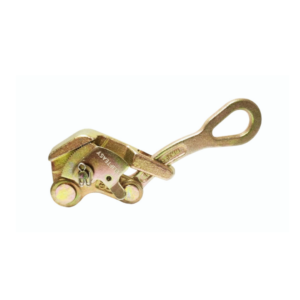
Beam Clamp UAE
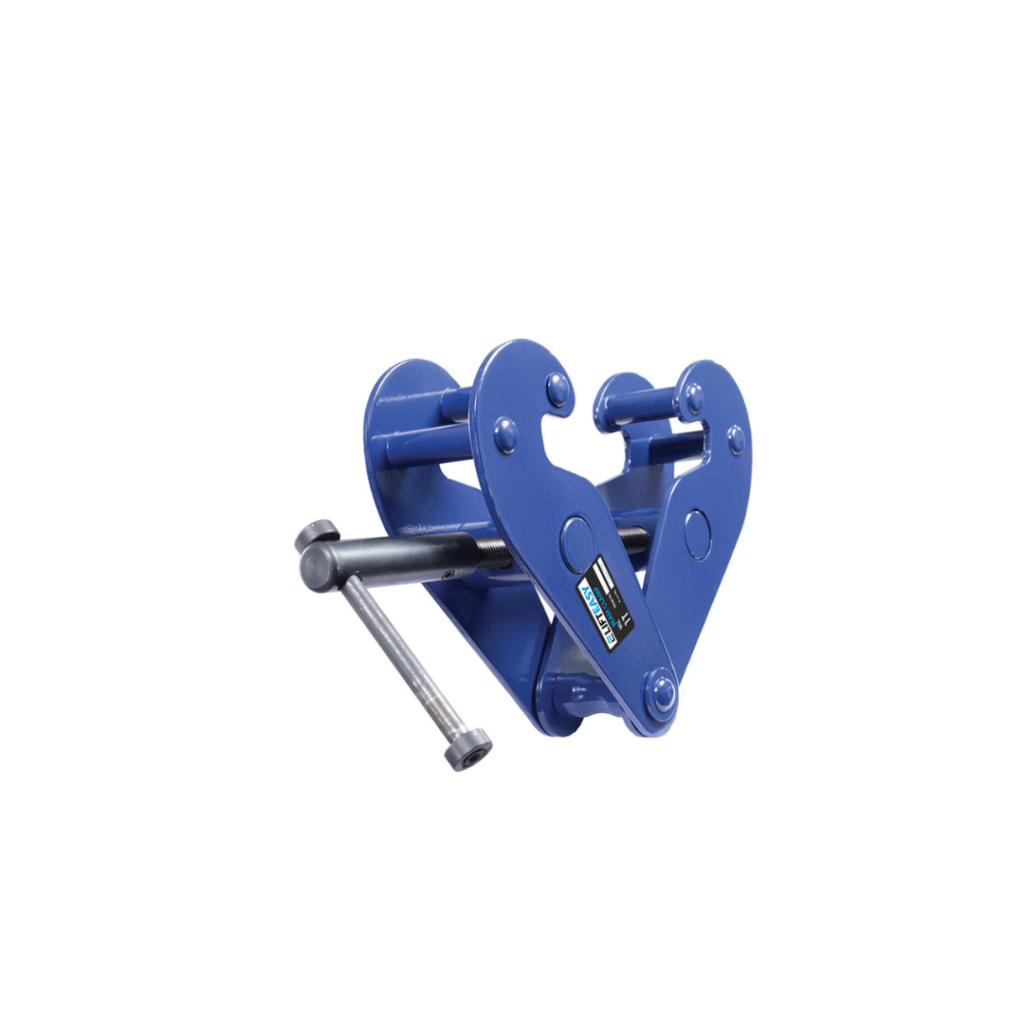
Beam Clamp UAE
Lifteasy Manufacturing Co. Ltd is Beam Clamp is a British Standards quality adjustable lifting clamp that provides a certified suspension point on any structural steel beam or RSJ — enabling chain blocks, lever blocks, and electric hoists to be safely suspended without drilling, welding, or permanent modification. Available across UAE, Saudi Arabia, Oman, Qatar, Kuwait, and Bahrain.
Looking to buy a Beam Clamp in UAE, Saudi Arabia, Oman, Qatar, Kuwait, or Bahrain? Lifteasy Manufacturing Co. Ltd is a direct manufacturer and GCC-wide supplier of heavy-duty beam clamps — designed for quick, tool-free installation on structural steel beams in construction, industrial, and workshop environments across the Gulf. The Lifteasy beam clamp adjustable jaw accommodates a wide range of standard steel beam flange widths, making it the preferred single-tool suspension solution for rigging teams, maintenance contractors, and warehouse operators across the GCC who need a fast, certified anchor point without permanent structural modification.
What Is a Beam Clamp?
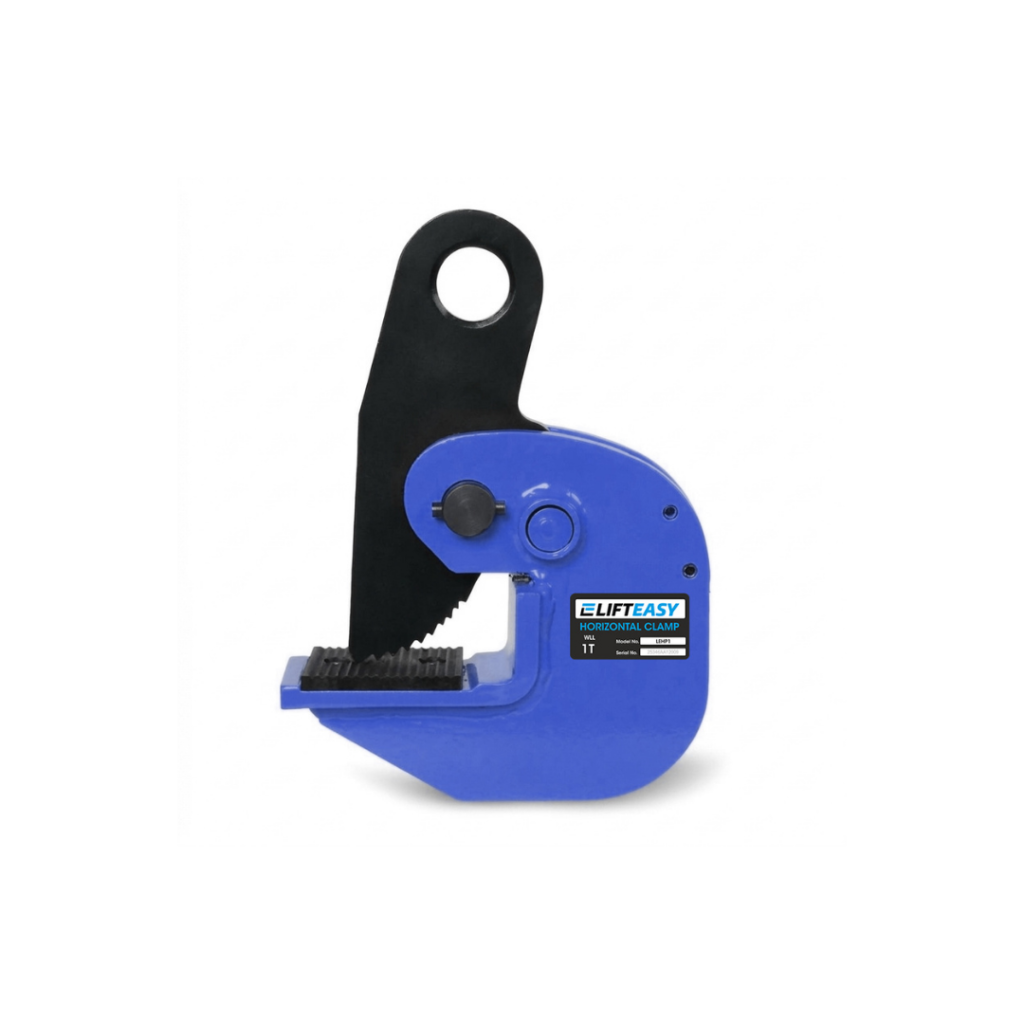
A beam clamp — also known as a girder clamp, beam hanger, or below-hook beam attachment — is an adjustable steel clamping device that grips the bottom flange of a structural steel beam or RSJ to provide a certified suspension point for lifting equipment. Once fitted, the beam clamp supports a chain block, lever block, electric chain hoist, or electric wire rope hoist — enabling safe overhead lifting at any point along a beam without drilling holes, welding attachment plates, or any permanent structural modification.
The clamping mechanism works by tightening an adjustment screw that draws the upper and lower jaw together against the beam flange — locking the clamp in position under both the clamp tightening force and the weight of the suspended load. As the suspended load increases, the clamping force increases proportionally, creating an inherently self-reinforcing grip that holds securely throughout the lift.
In GCC industrial environments — from construction sites in Dubai and Abu Dhabi, to oil and gas facilities in Jubail, Dammam, and Muscat, to manufacturing plants in Doha, Kuwait City, and Manama — beam clamps provide the essential temporary suspension points that make overhead lifting possible in any location where structural steelwork is present, without the delay and cost of permanent lifting point installation.
Technical Specifications — Lifteasy Beam Clamp
The Lifteasy beam clamp is manufactured from drop-forged alloy steel with an adjustable jaw mechanism covering the range of standard structural steel beam flange widths used in GCC construction and industrial projects:
Load Capacity | 1 T – 3 T (specify required capacity when ordering) |
Beam Flange Width | Adjustable — accommodates standard RSJ and UB section flanges |
Material | Drop-forged alloy steel — heat treated |
Closure | Threaded adjustment screw — hand tightened |
Safety Latch | Integral safety latch on suspension shackle point |
Finish | Painted — corrosion resistant for GCC environments |
Compatibility | Chain blocks, lever blocks, electric chain hoists, electric wire rope hoists |
Standards | British Standards quality |
Available From | Lifteasy — UAE, Saudi Arabia, Oman, Qatar, Kuwait, Bahrain |
Beam Clamp Applications Across the UAE & GCC
Wherever structural steelwork exists in GCC industrial, construction, and commercial environments, there is a requirement for a certified suspension point. The Lifteasy beam clamp provides that point across the following key sectors:
Construction and Steel Erection
Dubai, Abu Dhabi, and Riyadh construction sites use beam clamps to suspend chain blocks from steel frame members during structural erection — enabling loads to be lifted to each floor level as the structure rises, without permanent lifting point installation. The ability to reposition beam clamps along any beam as the work progresses makes them indispensable for fast-moving steel erection operations.
Workshop and Industrial Maintenance
Automotive workshops, fabrication shops, and industrial maintenance facilities in Al Quoz Dubai, Shuwaikh Kuwait, and Sitra Bahrain use beam clamps to create overhead lifting points from existing workshop roof beams — supporting engine removal, machinery component handling, and equipment installation without the cost of a fixed overhead crane system.
Oil and Gas and Petrochemical
ADNOC facilities in Abu Dhabi, Saudi Aramco operations in Jubail and Dammam, QatarEnergy plants in Ras Laffan and Mesaieed, and PDO operations in Muscat and Sohar all use beam clamps for maintenance lifting on existing structural steelwork — providing certified suspension points for chain blocks during equipment overhaul, valve replacement, and pipe handling.
Warehousing and Logistics
Warehouse operators across Jebel Ali Free Zone, Dubai Logistics City, Riyadh Logistics City, and Sohar Industrial Port use beam clamps to suspend manual chain hoists from roof structure beams — enabling bulk loads to be lifted from floor level to mezzanine, racking height, or transport vehicle loading height without a fixed crane.
HVAC and MEP Installation
Mechanical and electrical contractors across the GCC use beam clamps to provide temporary suspension points for lifting ductwork, pipework, and electrical containment during installation — eliminating the need for scaffolding or multiple operatives for routine overhead service installation.
Why Choose Lifteasy as Your Beam Clamp Supplier in UAE & GCC?
When procurement managers, site engineers, and HSE officers across UAE, Saudi Arabia, Oman, Qatar, Kuwait, and Bahrain evaluate beam clamp suppliers, three factors determine the decision: product quality, certification, and supply reliability. Here is why Lifteasy is the preferred beam clamp supplier across the GCC:
✔ | British Standards Quality — Accepted Across All GCC Certified Sites Lifteasy beam clamps are manufactured to British Standards quality — the benchmark for lifting equipment compliance across ADNOC, Saudi Aramco, QatarEnergy, and PDO certified sites. Non-certified beam clamps are rejected during HSE audits on major GCC industrial worksites. Lifteasy provides full product certification documentation with every order. |
✔ | No Drilling or Welding — Fast, Reversible Installation on Any Steel Beam The Lifteasy beam clamp adjustable jaw fits and locks onto any compatible steel beam flange in under two minutes using a standard spanner — no structural modification, no hot work permit, no delays. When the lift is complete, the clamp is removed and repositioned at the next location. This flexibility is critical for maintenance and construction operations across multiple GCC sites. |
✔ | Self-Reinforcing Grip — Clamping Force Increases Under Load The threaded adjustment mechanism locks the jaw onto the beam flange under initial tightening force. As the suspended load weight increases, the reactive force through the jaw increases proportionally — creating a self-reinforcing grip that holds more securely as the load increases. This mechanism is the core safety feature of the beam clamp design. |
✔ | Compatible With All Standard GCC Hoisting Equipment The Lifteasy beam clamp suspension shackle point accepts chain blocks, lever blocks, electric chain hoists, electric wire rope hoists, and gin blocks from all leading manufacturers — providing a universal suspension point compatible with your existing lifting equipment without adapters or modifications. |
✔ | Adjustable Jaw — Fits the Full Range of GCC Structural Steel Sections GCC construction and industrial projects use a wide range of structural steel sections — from light RSJ beams in workshop structures to heavy universal beam sections in industrial buildings and bridges. The Lifteasy beam clamp adjustable jaw accommodates this full range of standard beam flange widths from a single tool. |
✔ | Direct Manufacturer Supply — Manufacturer Pricing Across All 6 GCC Countries Lifteasy is the manufacturer — not a reseller or distributor. Direct manufacturer supply means lower prices, full certification records, model-specific technical support, and direct access to the production team for custom specifications — advantages that no trading company or distributor can offer. |
How to Use a Beam Clamp — Step-by-Step Guide
Correct installation is essential for safe beam clamp operation. Follow these steps for every installation:
- Verify the beam rating and clamp capacity. Before installation, confirm the structural steel beam has a rated load capacity equal to or greater than the combined weight of the beam clamp, the hoisting equipment, and the maximum load to be lifted. If the beam rating is unknown, consult a structural engineer before proceeding.
- Open the beam clamp jaw to the required width. Using a spanner, open the adjustment screw until the jaw gap is slightly wider than the beam flange thickness. Position the clamp onto the beam flange — ensuring the lower jaw is fully seated beneath the flange and the upper jaw contacts the top of the flange.
- Tighten the adjustment screw securely. Tighten the adjustment screw until the clamp is firmly seated on the beam flange with no movement or rotation. Use a calibrated torque spanner where site safety requirements specify a torque value for beam clamp installation.
- Attach the hoisting equipment to the suspension point. Connect the chain block, electric hoist, or other lifting equipment to the beam clamp suspension shackle point using a rated shackle or directly via the hoist hook. Verify the shackle pin is fully threaded and moused if required by site regulations.
- Perform a pre-use load test before the lift. Before lifting the full load, perform a slow test lift to low height — applying load gradually to verify the beam clamp and beam are performing as expected. Check for any movement, rotation, or deformation before proceeding with the full lift.
- Remove and inspect after use. After completing the lift, lower all loads to ground level before removing the beam clamp. Inspect the clamp jaws, adjustment screw, and suspension point for deformation, cracking, or thread damage before reusing or returning to the equipment store.
SAFETY REQUIREMENT: Never use a beam clamp on a beam with an unknown load rating. Never exceed the beam clamp's rated capacity. Always verify the beam clamp jaw is fully seated and tightened before applying any load. Inspect the beam clamp before every use — remove from service immediately if any cracking, deformation, or thread damage is found. |
Complete Your Lifting Assembly — Related Lifteasy Products
A beam clamp provides the suspension point. The following Lifteasy products complete the lifting assembly for every GCC overhead lifting application:
- Chain Block — The most common hoisting equipment suspended from a beam clamp. Lifteasy chain blocks are available from 0.5 T to 10 T — providing the load lifting capability once the beam clamp suspension point is established.
- Lever Block — For applications requiring both vertical lifting and horizontal pulling from the beam clamp suspension point — pipework alignment, structural member positioning, and confined space access work.
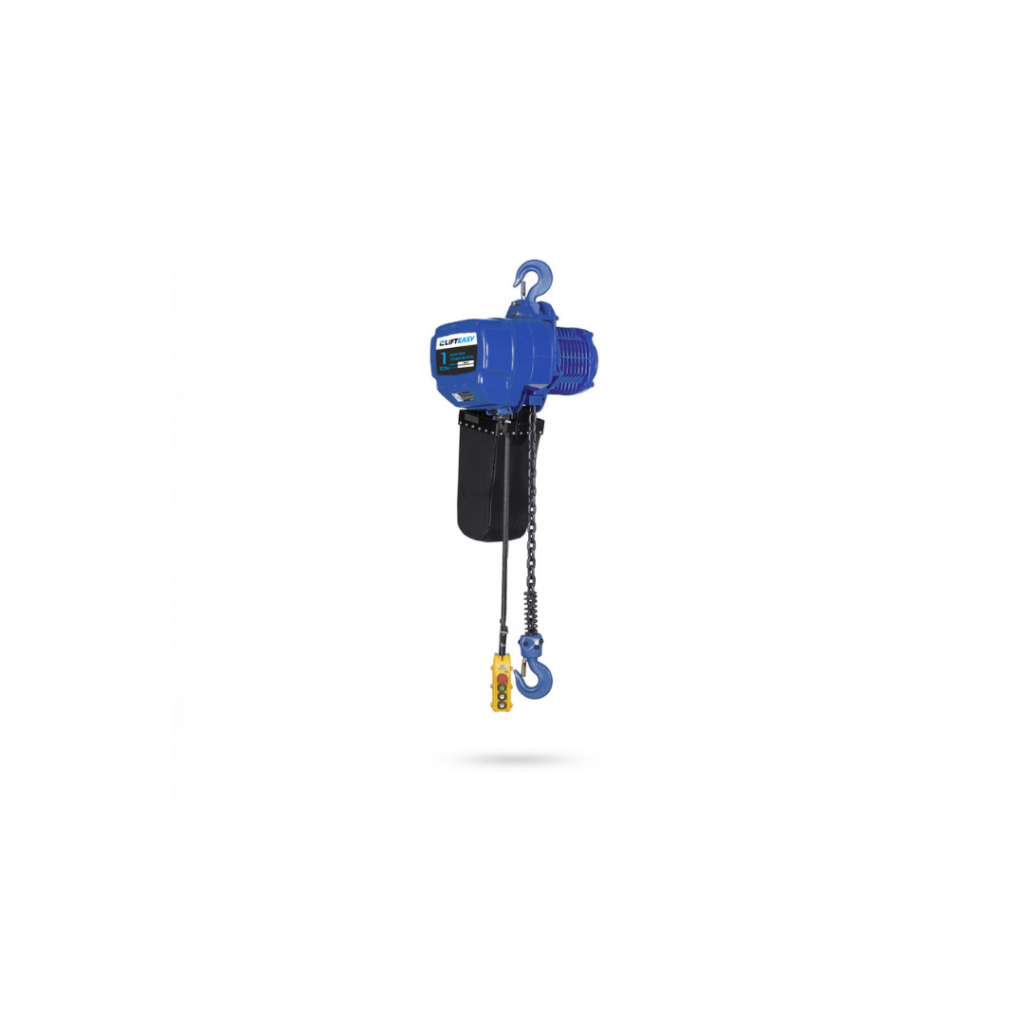
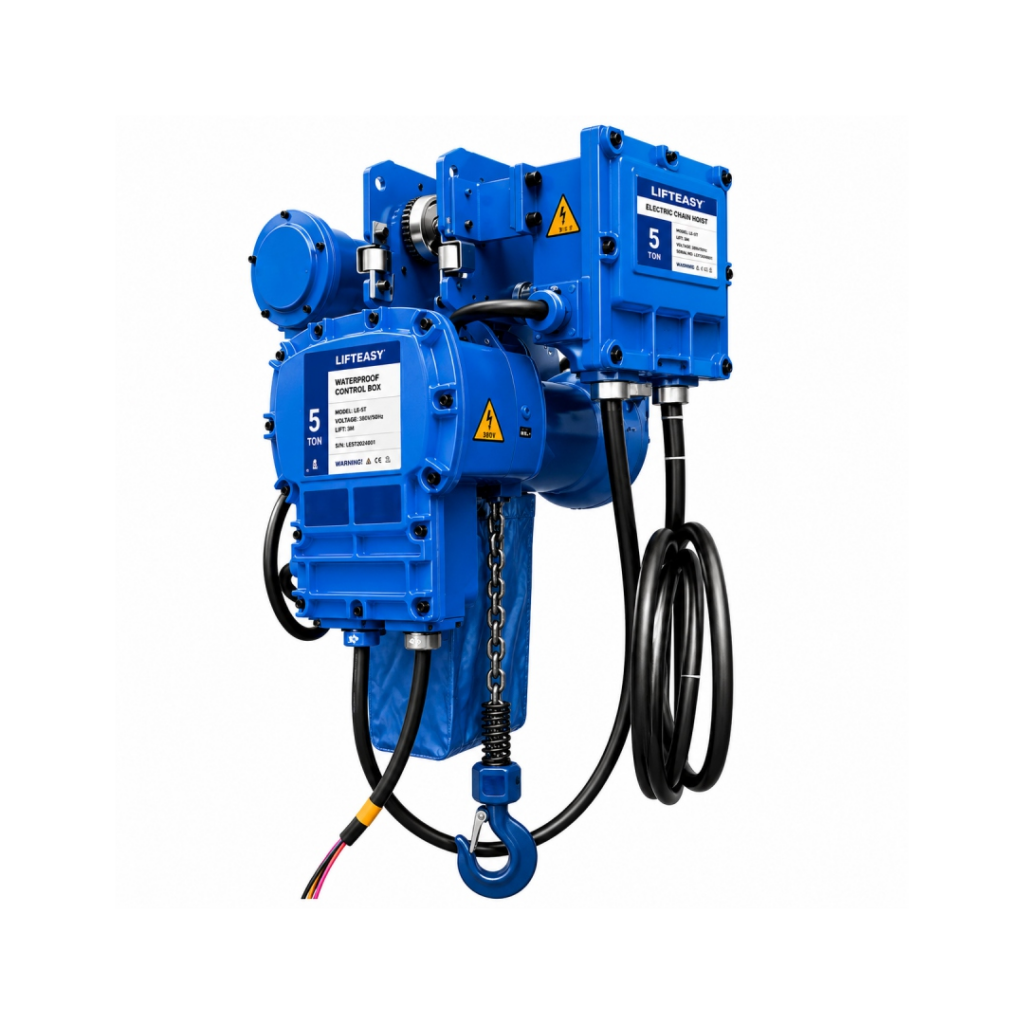
- Electric Chain Hoist — For high-cycle operations where manual chain block operation is impractical. Connect directly to the beam clamp suspension point for powered, push-button overhead lifting from any beam location.
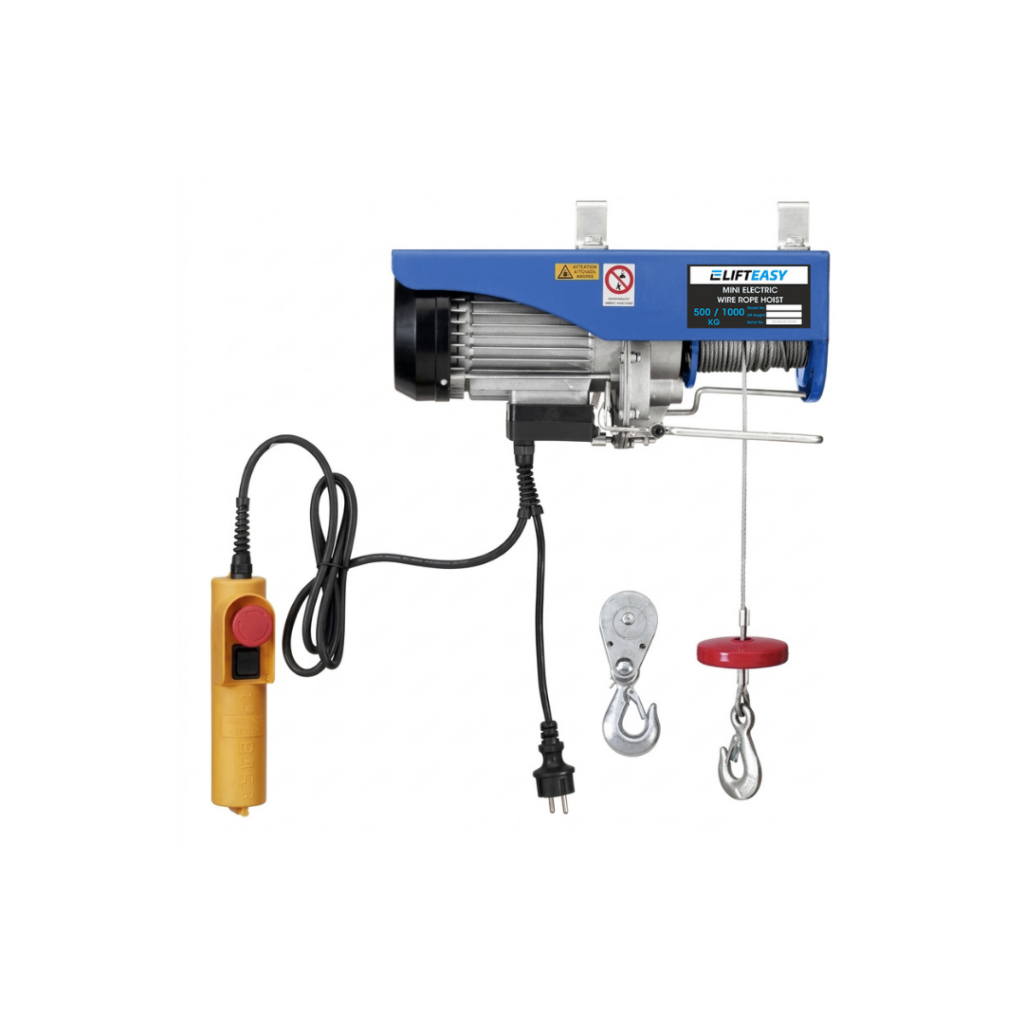
- Electric Wire Rope Hoist — For heavy loads above 5 T and lift heights above 10 m — suspended from a beam clamp on a reinforced beam section or crane girder for heavy industrial and construction lifting.
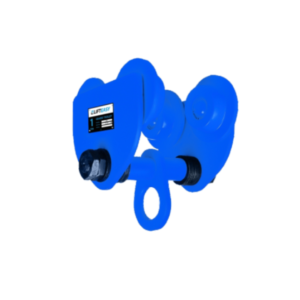
- Plain Beam Trolley — For operations requiring the hoisting equipment to travel along the beam — the plain beam trolley provides manual traversing of the chain block or hoist along the beam runway, eliminating the fixed-position limitation of a beam clamp alone.
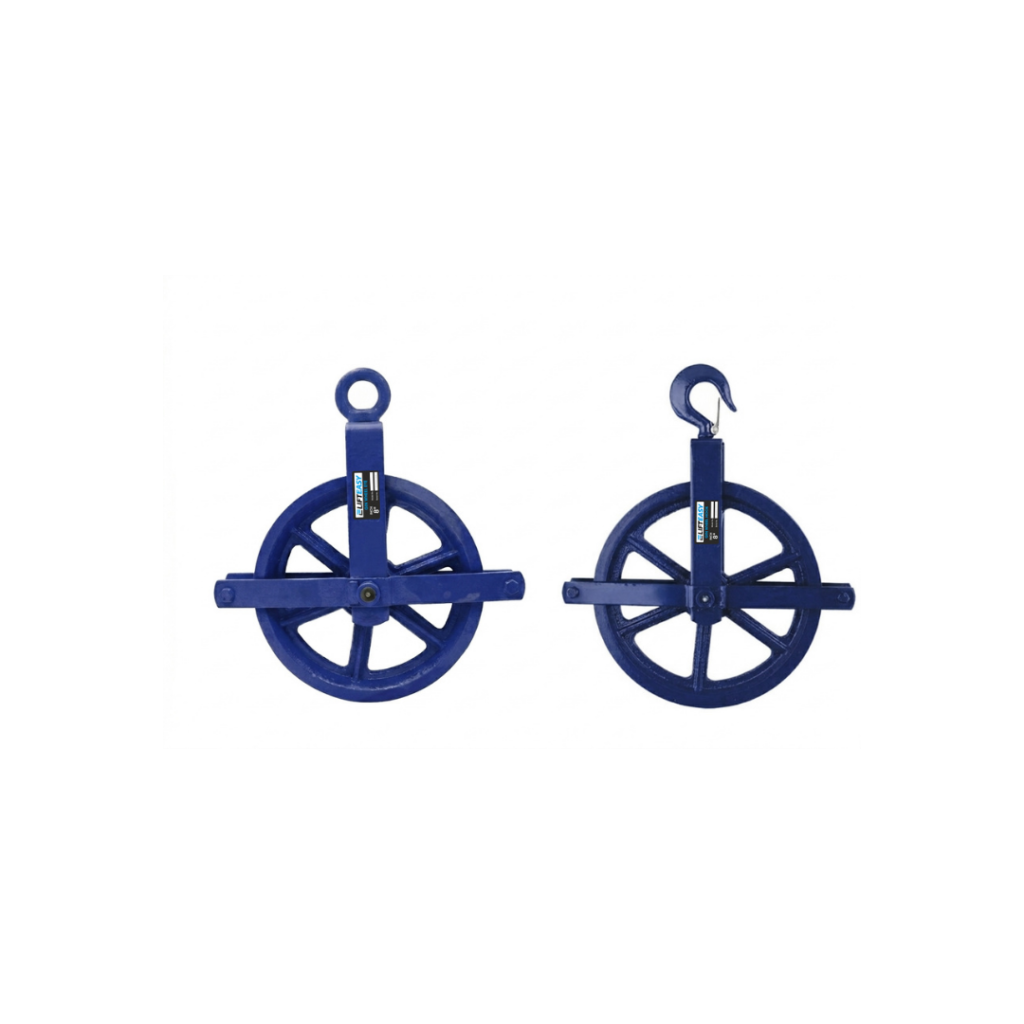
- Gin Block — For redirecting the pulling direction of a rope or chain when the beam clamp and chain block are not directly above the load — the gin block changes the rope direction to allow pulling from a more accessible position.
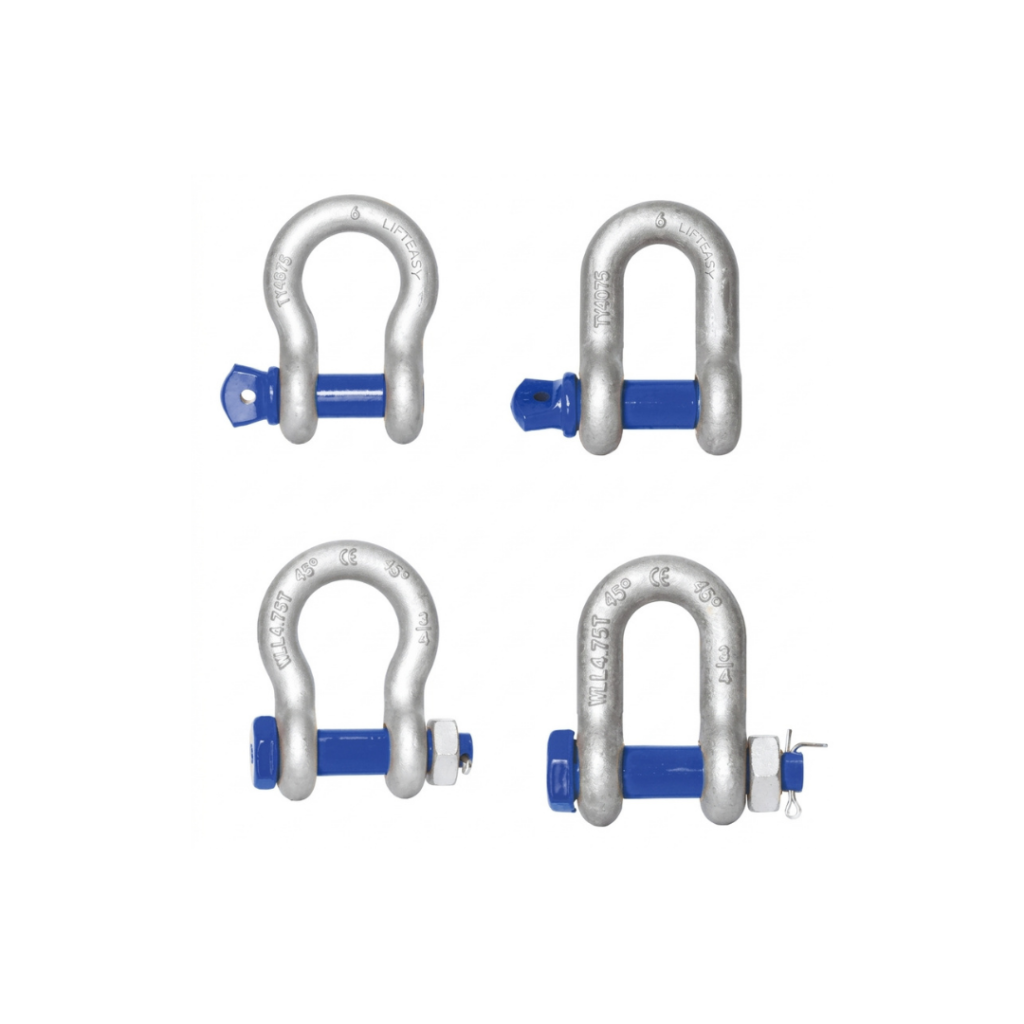
- D Shackle — For connecting chain slings and webbing slings to the beam clamp suspension point or to the hook of the chain block suspended from the beam clamp — providing the rated connection in the lifting assembly.
Regional Availability — Beam Clamp UAE Supplier, Distributor & Manufacturer
Lifteasy is a GCC-wide beam clamp supplier, distributor, and manufacturer — providing direct manufacturer supply and full certification documentation across all six Gulf states:
Supplier in UAE | Dubai · Abu Dhabi · Sharjah · Ajman · Ras Al Khaimah · Al Ain · Fujairah |
Distributor in UAE | Fast dispatch from Dubai for in-stock units | Bulk and project orders welcome |
Manufacturer in UAE | British Standards quality | Full certification documentation supplied |
Supplier in Saudi Arabia | Riyadh · Jeddah · Dammam · Khobar · Jubail · Yanbu · Medina · Mecca |
Distributor in Saudi Arabia | Aramco and SABIC procurement-compatible documentation |
Manufacturer for KSA | British Standards quality | GCC-wide supply |
Supplier in Oman | Muscat · Sohar · Salalah · Nizwa · Sur · Barka |
Distributor in Oman | 2–3 business day freight from Dubai |
Supplier in Qatar | Doha · Lusail · Mesaieed · Ras Laffan · Al Wakrah · Al Khor |
Distributor in Qatar | QatarEnergy procurement-compatible documentation |
Supplier in Kuwait | Kuwait City · Ahmadi · Salmiya · Shuwaikh · Jahra · Farwaniya |
Distributor in Kuwait | Fast freight from Dubai | Kuwait customs documentation |
Supplier in Bahrain | Manama · Riffa · Muharraq · Sitra · Hamad Town · Isa Town |
Distributor in Bahrain | GCC re-export documentation support |
Country pages: UAE | Saudi Arabia | Oman | Qatar | Kuwait | Bahrain
How to Select the Right Beam Clamp — A Buyer's Guide for GCC Procurement
Specifying the wrong beam clamp is one of the most common and costly mistakes in GCC site lifting equipment procurement. Use this guide to specify correctly:
- Confirm your maximum suspended load weight. The beam clamp must be rated to equal or exceed the combined weight of the hoisting equipment plus the maximum load. A chain block weighs between 7 kg and 70 kg depending on capacity — include this in your total suspended load calculation. Always select the next rated capacity above your calculated total.
- Verify the beam flange dimensions. The beam clamp must fit the beam flange width and thickness. Measure the flange width and thickness of the beam you intend to use before ordering — and confirm the beam clamp jaw range accommodates both dimensions within its adjustment range.
- Confirm the beam's structural load rating. The beam must be rated to carry the total suspended load — including the beam clamp, hoisting equipment, load, and a dynamic factor for lifting operations. If the beam rating is not documented in structural drawings, a structural engineer must assess the beam before use.
- Check site certification requirements. ADNOC, Saudi Aramco, QatarEnergy, and PDO sites require lifting equipment to carry British Standards or equivalent certification. Confirm certification requirements with your site HSE team before ordering — Lifteasy provides full documentation with every order.
- Consider whether you need beam traversing capability. A beam clamp provides a fixed suspension point. If you need the chain block or hoist to travel along the beam during the lift — for example, when moving loads horizontally as well as vertically — a beam trolley is required instead of or in addition to the beam clamp.
Frequently Asked Questions — Beam Clamp UAE & GCC
These questions are the most commonly asked by procurement managers, site engineers, and HSE officers purchasing beam clamps in UAE, Saudi Arabia, Oman, Qatar, Kuwait, and Bahrain:
What is a beam clamp used for?
A beam clamp provides a certified suspension point on a structural steel beam or RSJ — enabling chain blocks, lever blocks, and electric hoists to be safely suspended for overhead lifting without drilling, welding, or permanent structural modification. It is an essential component for any overhead lifting operation on existing steelwork across GCC construction, industrial, and maintenance environments.
What is the difference between a beam clamp and a beam trolley?
A beam clamp provides a fixed suspension point at one location on the beam — the hoisting equipment suspended from it cannot travel along the beam. A beam trolley wheels along the beam, allowing the hoisting equipment to travel laterally. For operations requiring the load to be moved horizontally as well as lifted vertically, a beam trolley is required. For fixed-position vertical lifting only, a beam clamp is sufficient.
Can a beam clamp be used on any steel beam?
A beam clamp can be used on any compatible structural steel beam where: the beam flange dimensions fall within the clamp's jaw adjustment range; the beam's structural load rating equals or exceeds the total suspended load; and the beam is in good structural condition without cracks, corrosion damage, or deformation. If any of these conditions cannot be confirmed, the beam clamp must not be used on that beam.
Is the Lifteasy beam clamp certified for ADNOC, Aramco, and QatarEnergy sites?
Yes. Lifteasy beam clamps are manufactured to British Standards quality — the certification standard accepted by ADNOC in UAE, Saudi Aramco in KSA, QatarEnergy and QP in Qatar, and PDO in Oman for lifting equipment used on certified industrial sites. Lifteasy provides full product certification documentation with every order, required for site HSE submission.
What load capacities are available for Lifteasy beam clamps?
Lifteasy beam clamps are available in capacities from 1 T to 3 T. The beam clamp capacity must always match or exceed the rated capacity of the chain block or hoist suspended from it — never suspend a 3 T chain block from a 1 T beam clamp.
How do I select the correct beam clamp for my application?
Calculate your total suspended load (hoisting equipment weight plus maximum load weight). Measure your beam flange width and thickness. Confirm your beam structural load rating. Select a beam clamp with rated capacity exceeding your total suspended load, with a jaw adjustment range covering your beam flange dimensions. Contact Lifteasy with these measurements for a specific product recommendation.
How do I buy a beam clamp in UAE, Saudi Arabia, or any GCC country?
Contact Lifteasy at [email protected] or via lift-easy.com/contact-us/. Specify your required capacity, beam flange dimensions, quantity, and any site certification requirements. Lifteasy responds within 24 hours with a full product specification and competitive manufacturer-direct quotation.
What warranty does the Lifteasy beam clamp carry?
All Lifteasy beam clamps carry a manufacturer's warranty against defects in materials and workmanship. Warranty claims are handled directly with Lifteasy's technical team. Lifting equipment must be inspected before every use regardless of warranty status — remove from service immediately if any damage or deformation is found. Contact [email protected] for warranty terms.
Get Your Lifteasy Beam Clamp Today — GCC-Wide Supply For orders, bulk pricing, certification documentation, or technical guidance: |