Blog
Manual vs Elec Crane |Lifteasy| Lifteasy Manufacturing Co. Ltd


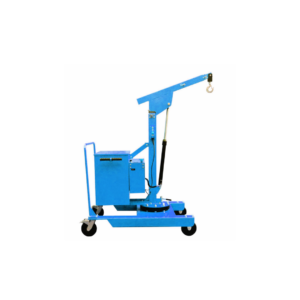
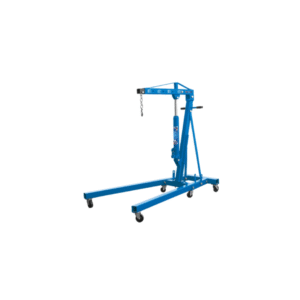
Manual Shop Crane vs Electric Shop Crane : A manual vs electric shop crane comparison evaluates two classes of mobile workshop cranes used to lift, position and transport workshop loads: manual (hand- or pump-operated) hydraulic shop cranes and battery-driven electro-hydraulic shop cranes such as the Lift Easy LEESC550. The LEESC550 delivers a maximum rated capacity of 550 kg, driven by a 0.8 kW electro-hydraulic pump and a 12V/80Ah on-board battery, with a 360° rotating arm, adjustable horizontal reach from 377 mm to 1530 mm and maximum lift height to 2550 mm; it operates via a wireless remote control so the operator lifts and lowers loads without manual pumping. The key operating-difference is human-powered fluid displacement and manual positioning for hydraulic cranes versus an integrated electric pump and counter-balanced chassis for the electric variant, giving repeatable cycle times and remote control in confined or maintenance bays. In GCC heavy maintenance and machinery commissioning (for example workshop machinery installation in oil & gas maintenance yards) the electric counter-balanced shop crane is preferred where operator distance, cycle frequency and precise positioning under hot, dusty conditions are decisive.
What is a manual vs electric shop crane?
A manual vs electric shop crane comparison covers two mobile lifting systems used at bench, workshop and machinery maintenance locations. A manual shop crane is typically a hydraulic pump unit actuated by hand-pumping to displace oil into a cylinder and raise the boom; it requires physical effort to lift and lower loads and is suited to low-frequency tasks. An electric shop crane like the LEESC550 uses an electro-hydraulic pump (0.8 kW) powered from a 12V/80Ah battery, with wireless remote control for hands-free lifting, a counter-balanced rear weight box for stability and a 360° rotating arm for positioning. The electrical model provides consistent lift/lower speeds and reduced operator exposure during repeated cycles, while the manual unit is simpler and lower cost for occasional use.
In the lifting equipment ecosystem, shop cranes are used alongside hoists, slings and trolleys to build complete lifting solutions. For integrated vertical lifting and factory rigging, an electric chain hoist complements a shop crane where suspended hoisting or higher duty cycles are required; see our electric chain hoist for pairing and compatibility details.
In UAE and wider GCC industrial contexts the difference matters because equipment must operate reliably in ambient temperatures up to 50°C, resist fine dust ingress, and satisfy client HSE and project inspection regimes such as ADNOC and JAFZA. Electric shop cranes reduce operator exposure in hot or confined environments and provide consistent performance on high-frequency maintenance tasks, while manual cranes may be acceptable for light, infrequent lifts or where battery charging logistics are restricted.
Technical specifications
Lifteasy supplies manual vs electric shop crane solutions across the following specification range, manufactured to British Standards quality with full certification documentation for ADNOC, JAFZA, and all major UAE industrial site submissions:
| Specification | Value / Range |
|---|---|
| Maximum capacity (SWL) | 550 kg |
| Drive type | Electro-hydraulic (0.8 kW pump) |
| On-board battery | 12V / 80Ah |
| Horizontal reach | 377 mm – 1530 mm (adjustable) |
| Maximum lift height | 2550 mm |
| Arm rotation | 360° rotating single arm |
| Base frame radius | 1720 mm |
| Control | Wireless remote control |
Request a quotation or certification documentation: WhatsApp +971 58 535 2330 or [email protected]
Industrial applications in the GCC
Oil, gas, and petrochemical operations
In oil and gas maintenance yards and platform workshops the electric counter-balanced shop crane addresses precision repositioning of rotating equipment, pump skids and valve assemblies during maintenance and overhaul. The LEESC550’s counter-balanced chassis and wireless control reduce the need for manual handling in confined maintenance bays and lower operator exposure during hot-shift conditions. British Standards certification and full test documentation are required for ADNOC and Aramco subcontract scopes; Lifteasy supplies the LEESC550 with certification packages to meet these site submission requirements so units can be accepted into maintenance fleets without additional local testing delays.
Construction and infrastructure
On UAE construction and MEP installation sites the choice between manual and electric shop cranes depends on task frequency and access. Electric shop cranes are used where repeatable lifts, precise horizontal reach and remote operation reduce labour and schedule risk for machinery setting or MEP unit placement. Manual hydraulic shop cranes are used for occasional equipment moves or temporary site works where charging infrastructure is unavailable. For façade or structural component handling in Dubai or Abu Dhabi projects, the electric model reduces on-site downtime and controls lift rates for safe positioning.
Warehousing, logistics, and Jebel Ali Free Zone
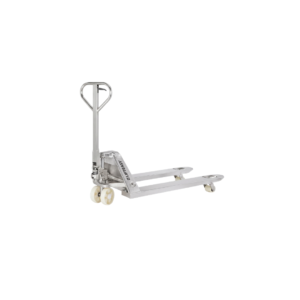
Logistics hubs and JAFZA storerooms use shop cranes for workshop repairs and equipment transfers inside maintenance bays. Paired with dock handling equipment such as hand pallet trucks, the electric shop crane supports faster turnarounds for forklift-out-of-service repairs and machinery commissioning, improving uptime in busy port-side and customs-bonded environments.
Manufacturing and industrial production
Manufacturing lines in UAE free zones and industrial estates use shop cranes for machine tool servicing, press maintenance and production-line reconfiguration. The electric model’s repeatable cycle performance and wireless control suit higher-frequency maintenance routines and help maintain process throughput while providing full test certificates for site audits.
How to select the right manual vs electric shop crane for your application
Selecting the correct manual vs electric shop crane for a UAE or GCC industrial site requires evaluation across five criteria. Incorrect specification is the leading cause of equipment rejection during ADNOC and Dubai Municipality HSE site audits.
- Rated working load (SWL): SWL must meet or exceed maximum load including a 20–25% safety margin. The LEESC550 has a 550 kg SWL — specify higher if your lifted mass plus fixtures exceeds this threshold.
- Operating environment: Consider up to 50°C ambient, coastal humidity and dust. Electric counter-balanced variants address hot, high-frequency tasks; manual cranes fit intermittent, low-cycle scenarios.
- Site certification requirements: ADNOC, JAFZA and Dubai Municipality require British Standards certification and test certificates. Lifteasy supplies full test and certification documentation with each order.
- Lift height or operating range: Match required lift height and horizontal reach; LEESC550 offers 377–1530 mm reach and up to 2550 mm lift — select extended reach variants if needed.
- Duty cycle and frequency: For production or frequent maintenance choose an electro-hydraulic unit for consistent cycle times; for occasional use a manual hydraulic shop crane may be more cost-effective. See product details and ordering options on the electric shop crane page: Electric Shop Crane UAE.
For a complete certified lifting system, manual vs electric shop crane works most effectively alongside Chain Block UAE and Chain Sling UAE.
Why source your manual vs electric shop crane from Lifteasy
Lifteasy Manufacturing Co. Ltd manufactures directly from Umm Al Quwain, UAE. Procurement teams across Dubai, Abu Dhabi, Sharjah, and the wider GCC receive factory-direct pricing — no distributor margin — with full British Standards certification documentation ready for ADNOC, JAFZA, and Trakhees HSE submission. UAE-stocked units dispatch within 24–48 hours, with same-day dispatch for standard in-stock models.
The LEESC550 specification highlights a factory-integrated electro-hydraulic drive (0.8 kW), 12V/80Ah battery and wireless remote control, plus a counter-balanced chassis engineered for GCC climate and repeatable high-cycle workshop use — Lifteasy supplies customised test certificate packages and direct manufacturing support for project submissions.
For the complete Lifteasy range — all British Standards certified and available across the GCC — Browse All Lifting And Material Handling Products UAE.
Frequently asked questions
What is a manual vs electric shop crane used for?
A manual vs electric shop crane is used to lift, position and transport workshop machinery, engines, pumps and components. The manual version relies on hand or foot hydraulic pumping to raise the boom and is suitable for infrequent, low-cycle lifts; the electric electro-hydraulic version uses a battery-driven pump and wireless control for hands-free lifting, consistent cycle times and higher frequency use. In GCC maintenance yards, electric cranes reduce operator exposure in hot or confined areas and speed routine maintenance, while manual cranes remain useful for ad-hoc or carry-on jobs with limited power access.
What certifications does a manual vs electric shop crane need for ADNOC and UAE industrial sites?
The required certification is British Standards compliance accompanied by test certificates, load test records and factory inspection documentation. Lifteasy supplies full British Standards test documentation with every unit and provides certification packages suitable for ADNOC, JAFZA and Dubai Municipality submissions, including stamped inspection reports and load-test certificates to expedite site acceptance.
What capacity manual vs electric shop crane do I need?
Choose a shop crane with an SWL equal to or greater than your maximum lifted mass plus a 20–25% safety margin. The LEESC550 is rated at 550 kg; if your load plus slings and attachments exceed approximately 440–460 kg (applying a 20–25% margin), specify the next higher capacity crane or confirm with Lifteasy engineering for a customised solution.
How quickly can I get a manual vs electric shop crane delivered in the UAE?
Delivery times for shop cranes from Lifteasy are typically 24–48 hours from UAE stock for Dubai and adjacent emirates, with same-day dispatch available for standard in-stock models. Deliveries to other GCC states are handled via scheduled shipments; all units ship with certification documentation. For immediate quotations and dispatch, contact WhatsApp +971585352330 or [email protected].
Manual Shop Crane Vs Electric Shop Crane — Available Across the GCC
Manual Shop Crane Vs Electric Shop Crane UAE
Certified Manual Shop Crane Vs Electric Shop Crane in UAE. British Standards certified, full test documentation, 24–48 hr dispatch.
Manual Shop Crane Vs Electric Shop Crane Saudi Arabia
Certified Manual Shop Crane Vs Electric Shop Crane in Saudi Arabia. British Standards certified, full test documentation, 24–48 hr dispatch.
Manual Shop Crane Vs Electric Shop Crane Oman
Certified Manual Shop Crane Vs Electric Shop Crane in Oman. British Standards certified, full test documentation, 24–48 hr dispatch.
Manual Shop Crane Vs Electric Shop Crane Qatar
Certified Manual Shop Crane Vs Electric Shop Crane in Qatar. British Standards certified, full test documentation, 24–48 hr dispatch.
Manual Shop Crane Vs Electric Shop Crane Kuwait
Certified Manual Shop Crane Vs Electric Shop Crane in Kuwait. British Standards certified, full test documentation, 24–48 hr dispatch.
Get pricing, specifications, and certification documentation for manual vs electric shop crane across UAE and GCC:
WhatsApp: +971 58 535 2330 | Email: [email protected] | Contact Form UAE